

08 Jun Why Your Hips Suddenly Hate Stairs
Understanding Gluteal Tendinopathy
If walking upstairs, lying on your side, or getting out of the car suddenly makes your hip complain, you’re not alone.
One of the most common causes of pain on the outside of the hip in people over 40 is gluteal tendinopathy. It affects women more commonly than men and becomes particularly prevalent during and after the menopausal years.
What Is a Tendon?
Tendons are strong, fibrous structures that connect muscles to bone. They play a critical role in transferring force and enabling movement.
Despite their strength, tendons have one significant limitation: they have a relatively poor blood supply. As a result, when tendons become irritated or injured, healing can be slow and symptoms can be frustratingly persistent.
The tendons most commonly affected during and after menopause include those around the:
- Hips
- Shoulders
- Elbows
- Achilles tendon
These are essentially the body’s hardworking “load managers”, responsible for transmitting force during everyday activities.
Why Do Tendons Become Painful?
One of the biggest misconceptions about tendon pain is that pain automatically means tissue damage.
In many cases, a painful tendon is not torn. Instead, it is often an overloaded and highly sensitive structure that is struggling to cope with the demands being placed upon it.
Unlike muscles, tendons generally do not respond well to:
- Excessive stretching
- Complete rest
- Aggressive massage
Instead, tendons respond best to gradual, progressive loading.
Understanding Gluteal Tendinopathy
The gluteal tendons attach the buttock muscles to the outside of the hip. Their primary role is to stabilise the pelvis during activities such as walking, climbing stairs, balancing, and standing on one leg.
When these tendons become overloaded or irritated, they can become painful and reactive.
Common Symptoms
People with gluteal tendinopathy commonly report:
- Pain when lying on the affected side
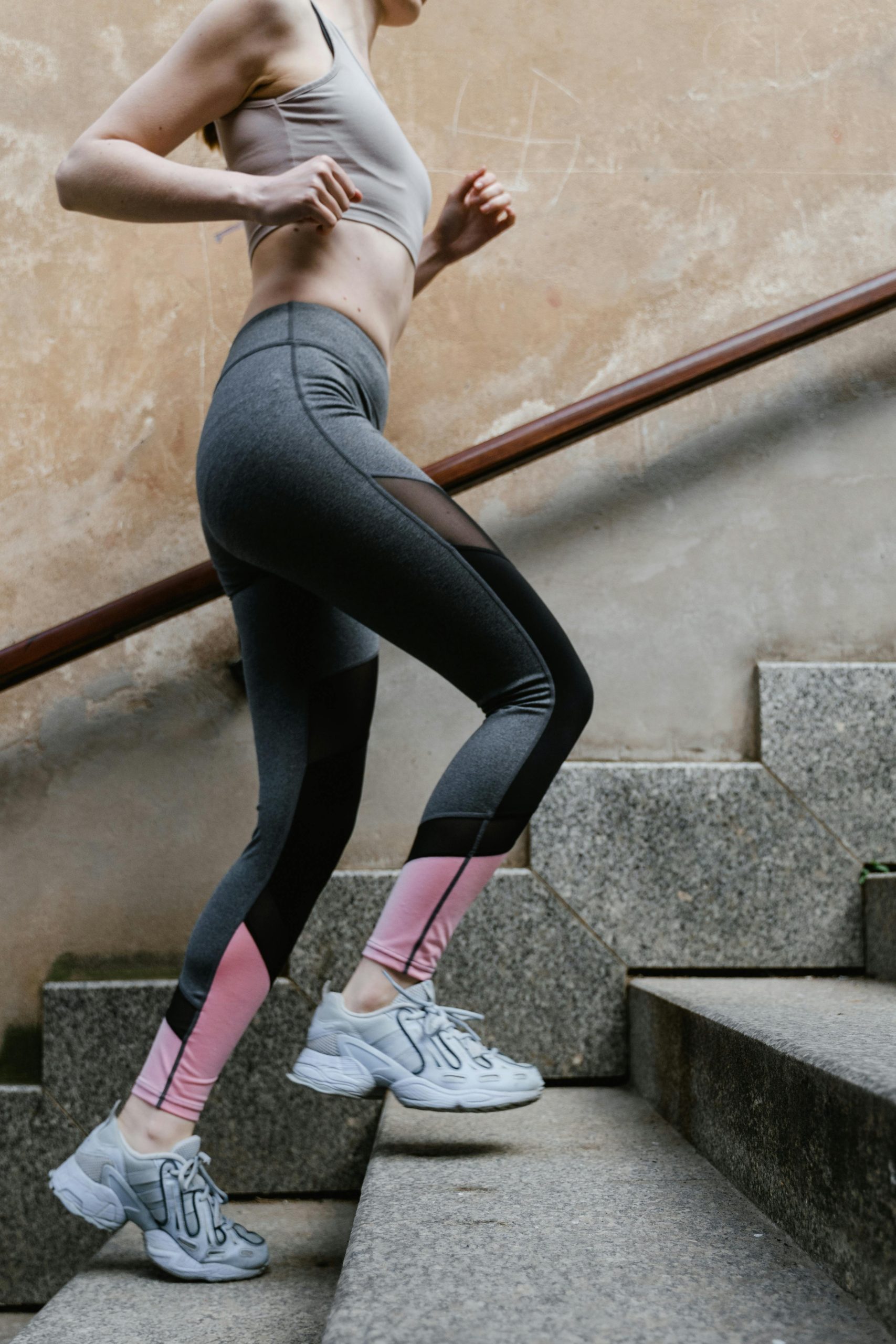
- Pain walking upstairs or up hills
- Aching after walking
- Stiffness after prolonged sitting
- Tenderness over the outside of the hip
Why Does It Occur?
Hormonal changes may contribute, as tendons appear to become less resilient with age and declining oestrogen levels. However, tendon pain is rarely caused by a single factor.
Contributing factors may include:
- Muscle weakness
- Hip instability
- Sudden increases in activity levels
- Inadequate recovery
- Reduced tendon capacity
- Everyday movement habits
The Biggest Myth: “Just Rest It”
One of the most common misconceptions about tendon pain is that complete rest is the best treatment.
In reality, tendons usually improve when they are loaded appropriately. The challenge is finding the right amount and type of loading.
Early Stage Management
In the early stages, painful tendons often respond well to isometric exercises. These involve muscle contractions without joint movement and can help reduce pain while maintaining tendon load.
Examples include:
- Bridge holds
- Wall glute pushes
- Standing hip holds
Progressing Rehabilitation
As symptoms settle, treatment should progress toward strengthening and functional exercises such as:
- Step-ups
- Squats
- Balance training
- Resistance exercises
- Reformer-based strengthening
Tendons thrive on gradual, consistent loading and generally dislike sudden spikes in activity.
Daily Habits That Can Aggravate Symptoms
Lifestyle habits can also influence tendon pain.
Certain positions place compressive forces through the gluteal tendons and may aggravate symptoms, including:
- Crossing your legs
- Standing with your weight shifted onto one hip
- Sleeping with the top leg crossing over the bottom leg
Simple changes can make a significant difference. For example, placing a pillow between the knees while sleeping often reduces compression and improves comfort.
The Good News
Tendons are highly adaptable tissues.
With the right combination of exercise, load management, movement retraining, and patience, most people can significantly improve both pain and function.
Current evidence suggests the most effective management strategies include:
- Intelligent progressive loading
- Targeted strengthening
- Reducing compressive aggravation
- Improving movement control
- Consistency and patience
Painful tendons are not necessarily damaged, and they are certainly not weak forever.
Your hips may currently hate stairs, but with the right approach, they don’t have to forever.
Call: (02) 6674 4142