


03 Aug Tennis Elbow: More Than Just a Sports Injury
Tennis elbow, or lateral epicondylitis, is a common overuse injury that causes pain on the outside of the elbow. Despite the name, it affects far more than tennis players—painters, tradies, desk workers, and gym-goers are all frequent flyers.
It’s caused by repeated strain on the forearm extensor muscles, which leads to tiny tears in the tendon that attaches at the lateral epicondyle (that bony bump on the outside of your elbow). Over time, this can cause pain, weakness, and reduced function.
What does it feel like?
- Pain or tenderness on the outside of the elbow
- Discomfort that can radiate into the forearm
- Weak grip or difficulty lifting, turning, or holding objects
- Stiffness in the elbow or wrist
But here’s what many other physios miss:
In many cases, tennis elbow isn’t just a local elbow issue—it starts at the neck. Compression or irritation of the nerves in the lower cervical spine can refer pain directly to the elbow or silently cause weakness in the muscles of the arm and hand. This nerve-driven weakness often leads to overuse of the forearm muscles, setting the stage for tendon strain. In my experience, over 90% of elbow issues have some contribution from the neck. That’s why any good physiotherapist should always start by assessing the neck. Without addressing the root cause, elbow pain will persist, regardless of how much you treat the local area.
Treatment that works
Tennis elbow needs more than just rest. A proper rehab program is essential and may include:
- Manual therapy to reduce pain and improve movement
- Strengthening and stretching exercises
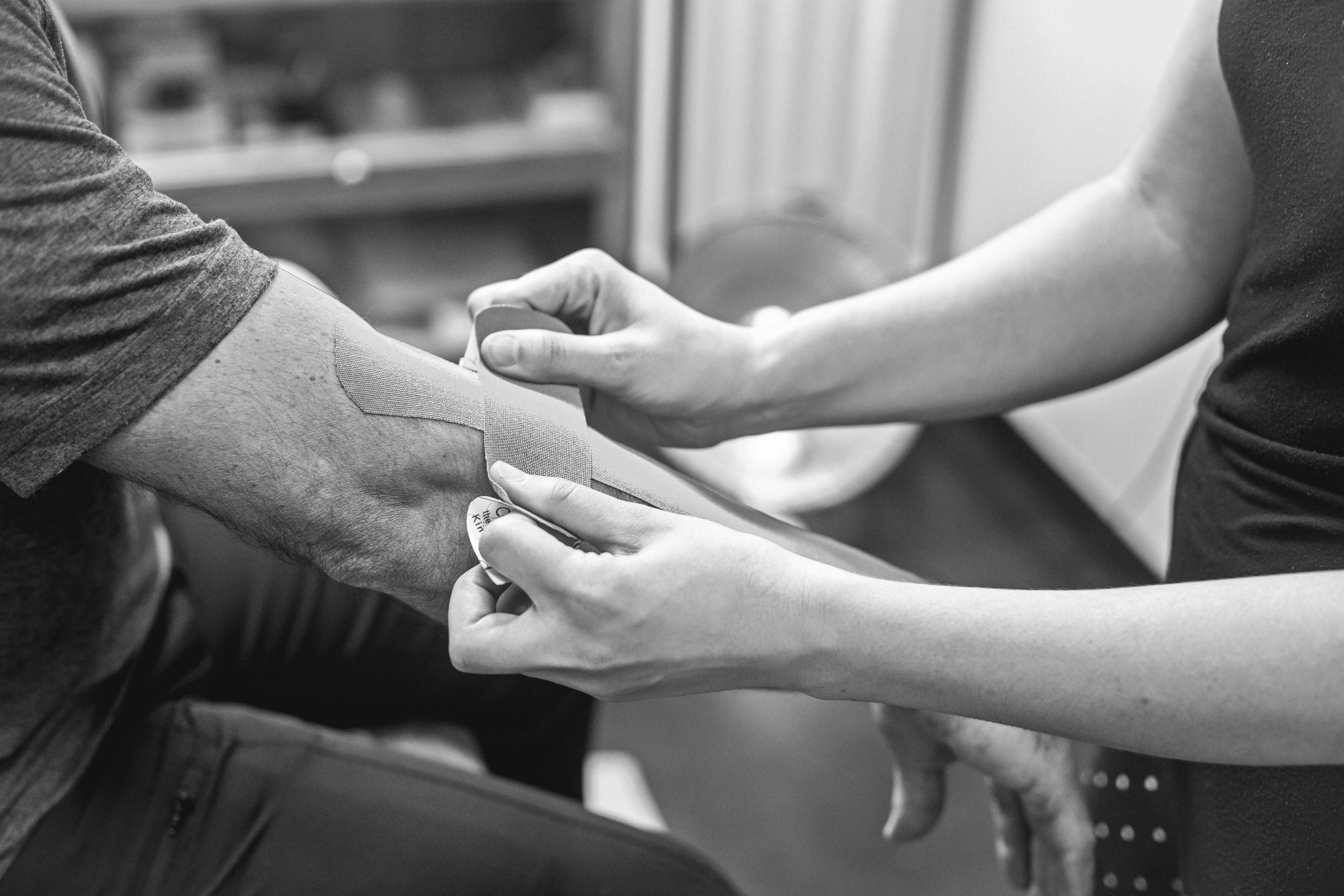
- Taping or splinting to support the joint
- A thorough assessment of contributing factors—especially the neck, but also posture, nerve mobility, and upper limb mechanics
In summary:
Tennis elbow is treatable—but only when the full picture is addressed. If you’re dealing with stubborn elbow pain, don’t just focus on the elbow. Get a proper assessment that includes your neck, and set yourself up for long-term relief.
Need help? Book in for an assessment and let’s get to the root of the problem.
Call: (02) 6674 4142