


06 Jul Pain and Tissue Damage – Do They Always Go Hand in Hand?
You may have seen a physio before who told you that your “pain comes from the brain.” If that left you scratching your head, you’re not alone. In fact, I find it a very unhelpful statement — but it’s still true. And having some understanding of why can really help.
Here’s the simple version: pain is the brain’s way of protecting you. When it thinks your body is under threat – like touching a hot stove or spraining your ankle – it sends a pain signal to get your attention and help you take action. This all happens within milliseconds.
So far, so good. But what happens when the injury heals… and the pain sticks around for months or even years?
That’s where things get interesting.
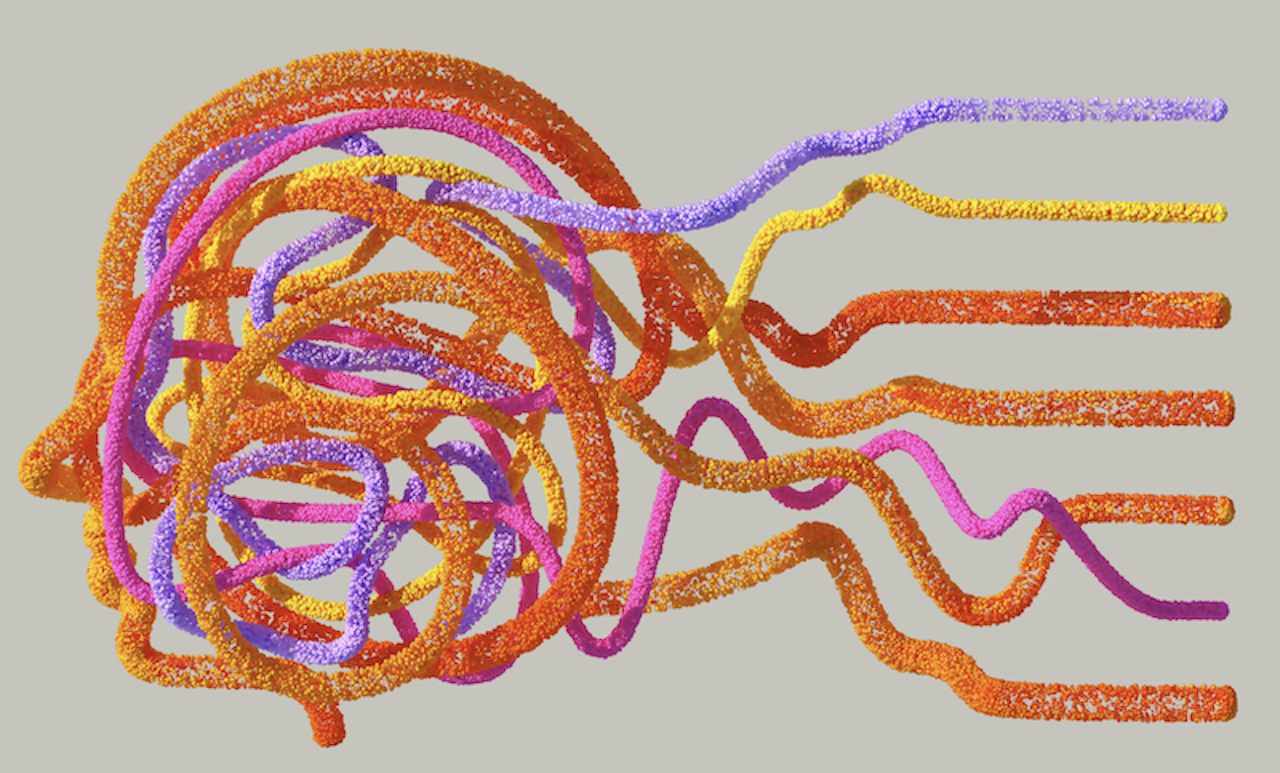
We now know that pain isn’t always about tissue damage. Once tissue has healed (usually within a few weeks or months, depending on the tissue type), lingering pain is often caused by a sensitive nervous system, not ongoing injury. The brain can get stuck in “protect mode,” continuing to send pain signals long after they’re needed.
Sometimes, pain also persists because the guarding tension built up to protect the injured area is still there – even though the injury itself has long since healed.
Let’s return to the hot stove analogy. When you touch something hot, your brain quickly processes that threat and sends a pain signal, prompting you to pull your hand away. The same happens when you strain a muscle, tear a ligament, or break a bone. The brain senses the damage and sends pain signals so you can guard and protect the area (like avoiding weight-bearing on a broken leg).
Most damaged tissues heal in a matter of weeks or months. Once healing is complete, the brain should stop sending pain signals. So, why does the pain sometimes go on and on?
We still don’t fully understand why this happens. But we do know that chronic pain is less about structural damage and more about an over-sensitive nervous system — which is incredibly complex.
That’s why part of your rehabilitation is about helping your nervous system “unwind” and reminding your brain that the injury is no longer there.
So how do we turn the volume down on this kind of pain?
Here are a few things that can help calm the nervous system:
- Lifestyle check-in: Sleep, diet, physical activity, alcohol, and smoking all influence pain sensitivity.
- Stress and emotions: Pain often flares during periods of high emotional stress.
- Medication: It may help initially, but it’s rarely a long-term solution.
- Surgery: Often not helpful for persistent pain when there’s no active tissue damage.
- Movement: Safe, gentle exercise is one of the most powerful ways to retrain the brain and reduce pain.
- Physical activity and function: Getting moving again — even in small ways — under the guidance of your therapist is crucial. It helps reassure your brain that pain is no longer needed as a protective response.
Everyone’s pain story is different — and so is the path to recovery. But understanding that pain doesn’t always mean injury is a powerful first step.
If you’re experiencing ongoing pain, let us help you get started on a gentle, personalised exercise program to break the cycle and move forward with confidence.
Janice Edwards
Posted at 09:43h, 20 JulyHi Frauke, This post was timely and helpful to me. I have had my total knee replacement and am now focusing on overcoming the pain and moving into recovery. You have such insight Frauke. Thankyou